Never
Re-Roof
Again.® Lifetime Interlock® aluminum roofing, supplied for Texas homes and installed by certified independent installers.
If you have been searching for where to buy a metal roof in Texas, this is the manufacturer's own door. Interlock Roofing of America supplies the Interlock® Lifetime Aluminum Roofing System, certifies independent Texas roofing contractors on it, and assigns a certified Interlock installer to your project — the installer pulls the permit and signs the contract with you. UL 2218 Class 4 against the hail, no iron to rust in Gulf air, a reflective finish for the sun, panels locked on all four sides with the fasteners out of the weather, and the Guardian Lifetime Limited Material Warranty, which transfers once when you sell.
Lifetime refers to the Guardian Lifetime Limited Material Warranty from the manufacturer, Interlock Roofing Ltd. — a limited warranty on the roofing material and finish, for as long as the original purchaser owns the home, transferable once. Workmanship is warranted separately by your installing contractor. See terms, exclusions and transfer conditions.
What changes when an Interlock metal roof goes on your Texas home.
Texas is the hail capital of the country, and this is the highest impact rating there is
North and Central Texas — Dallas–Fort Worth, Austin, San Antonio, the Hill Country — take more large hail than anywhere else in the United States, and it is the single reason Texas roofs come off early and premiums keep climbing. UL 2218 Class 4 is the highest impact rating a roof covering can carry: a 2-inch steel ball dropped twice on the same spot with no crack in the panel. Very large hail can leave a cosmetic mark on any metal roof; the panel keeps its integrity and keeps shedding water, which is the whole difference from asphalt, where the same storm means granule loss, a claim and a replacement. The Guardian warranty covers hail to 1.5-inch stones. Any premium credit for Class 4 is your carrier's decision — ask them.
Hurricanes on the coast, straight-line wind everywhere else — evaluated on the record
Texas adopts the International Residential Code, and what a city inspector checks is the ICC-ES evaluation report: ESR-1790 covers the Slate, Cedar Shingle, Shake and Mediterranean Tile profiles with tested wind uplift to 177.5 psf. The panels lock on all four sides with no fastener in the weather, and wind resistance is warranted to 120 mph when installed to manufacturer specification. In the fourteen first-tier coastal counties, TWIA windstorm coverage runs under the Texas Department of Insurance's own product and installation rules — the assigned installer tells you what applies at your address before anything is signed.
Recycled aluminum
Up to 95% recycled content, and the last tear-off your house is likely to need.
Reflective, CRRC-rated colors through a cooling season that runs April to October
The sun is what finishes a Texas asphalt roof between hailstorms: the oils bake out, the shingles curl, the granules go. Aluminum sheds solar heat quickly after sundown, a CRRC-rated reflective color keeps the attic cooler through the long cooling season, and the Alunar® 70% PVDF finish is certified to AAMA 2605 with a 30-year finish warranty. What shows on the bill depends on your attic insulation and ventilation more than on the covering — the installer looks at both.
Gulf air puts salt on every roof from Brownsville to Beaumont. Aluminum has no iron to rust
Every steel panel is cut somewhere, and every cut exposes bare metal the factory coating never reached — which is why steel and Galvalume warranties commonly exclude roughly the first 1,500 feet of shoreline. Aluminum contains no iron and cannot rust, at the cut edge or anywhere else. Near the water, the assigned installer specifies stainless or aluminum fasteners to match.
Class A fire rating available — as a complete assembly
Worth being precise about, because plenty of roofing pages are not: under ASTM E108 the classification belongs to an assembly, not to a panel. Class A is available here as an assembly over GAF VersaShield underlayment, evaluated in ICC-ES ESR-2053. Aluminum itself does not ignite.
Aluminum against asphalt, tile and steel in Texas: the part nobody puts in the pitch.
No prices here, on purpose. A Texas roof price turns on pitch, deck condition, what the last hailstorm did to it, whether you are in a TWIA county, and which profile and fastening the installer specifies — a national average would tell you nothing true. This is what each material actually asks of you over the life of the house.
Asphalt Shingles
Replaced repeatedlyConcrete & Clay Tile
Lasts, but heavySteel & Galvalume
Metal, with an iron clockInterlock Aluminum
Lifetime — never re-roof again®One thing this table does not claim: a metal roof does not automatically change what you pay for insurance. Any Class 4 credit is your carrier's decision, and most Texas policies carry a separate wind/hail deductible whatever the roof is made of — ask your carrier what applies to your house, and never let a roofer offer to pay it.
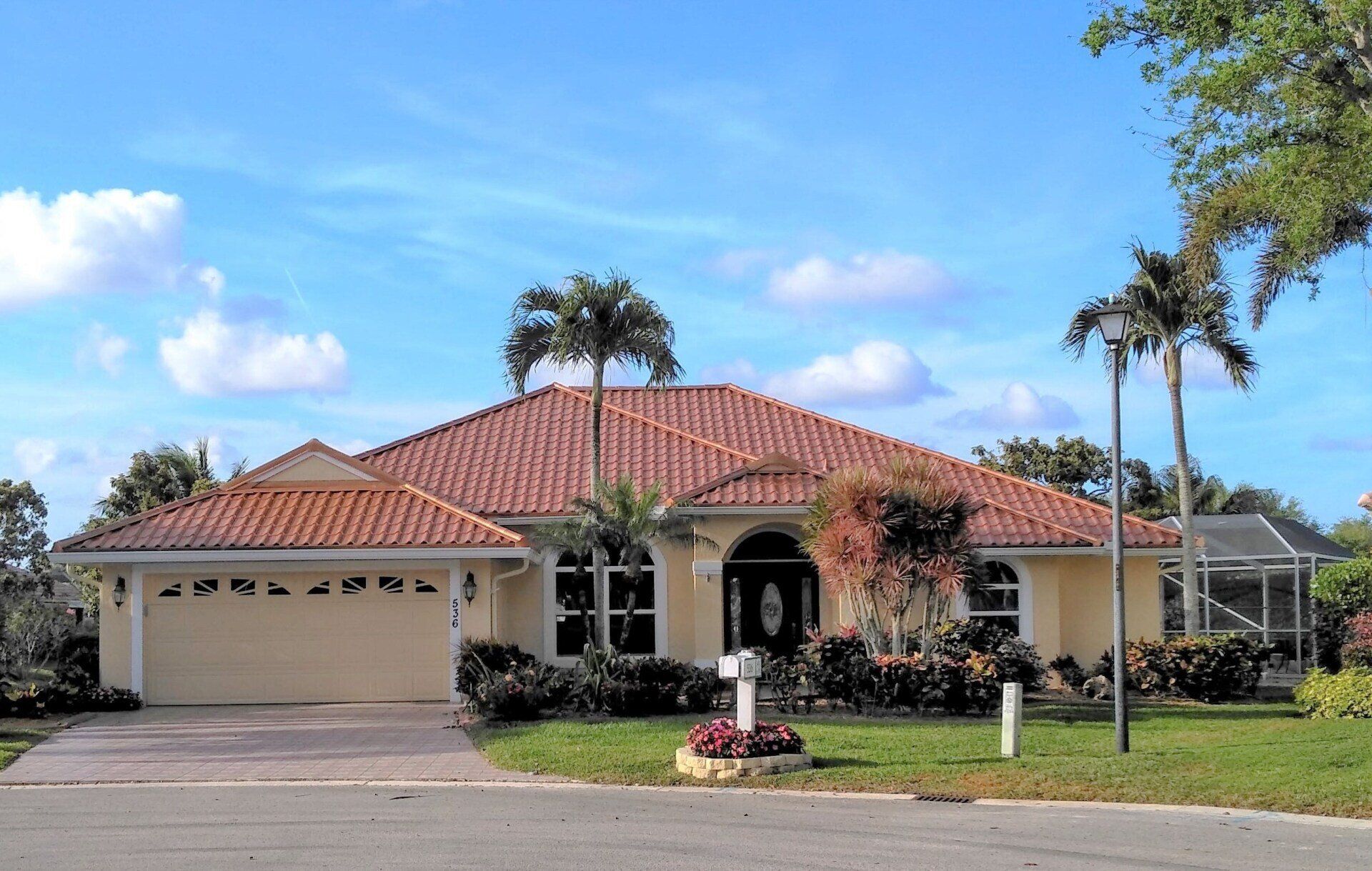
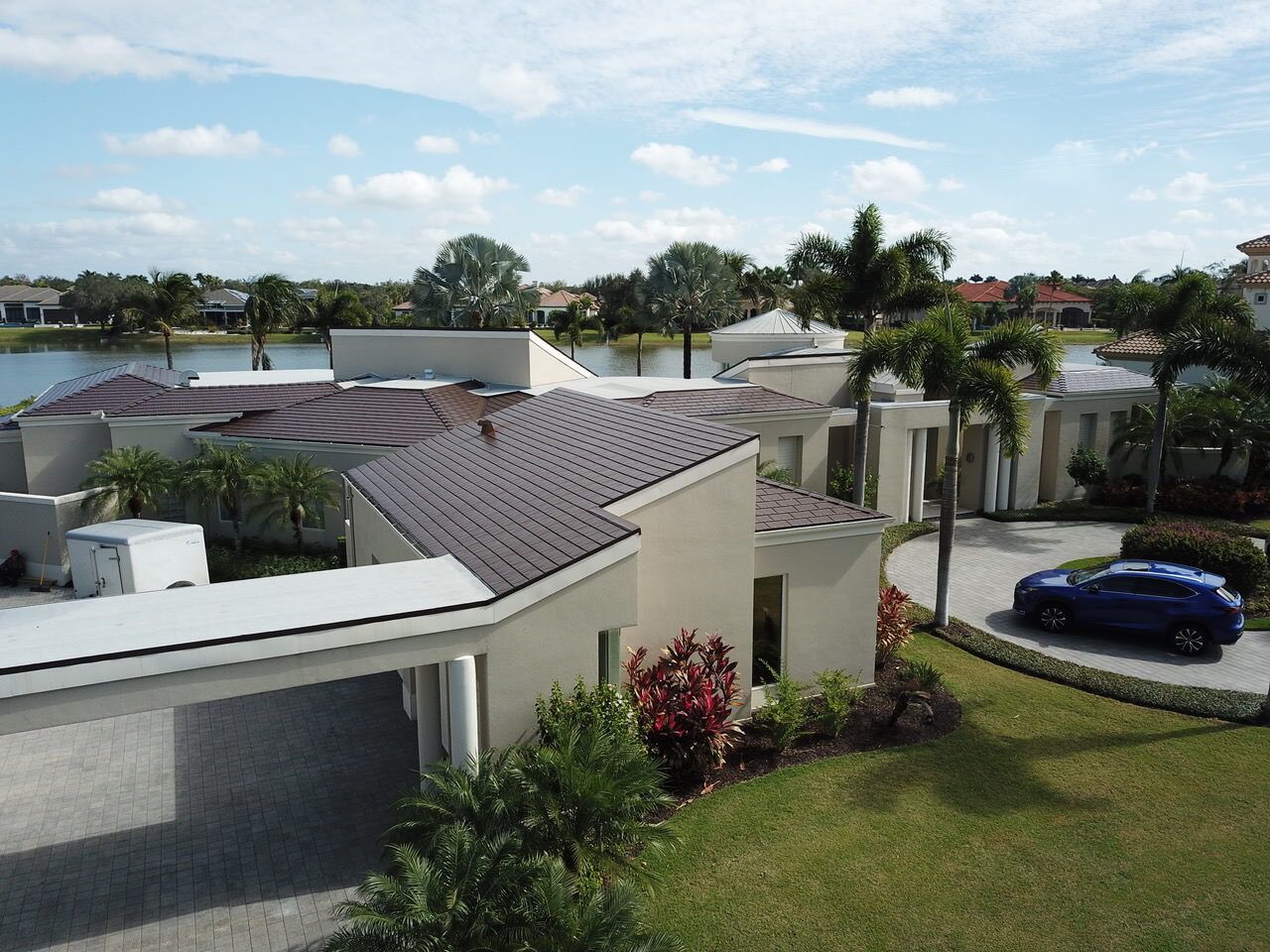
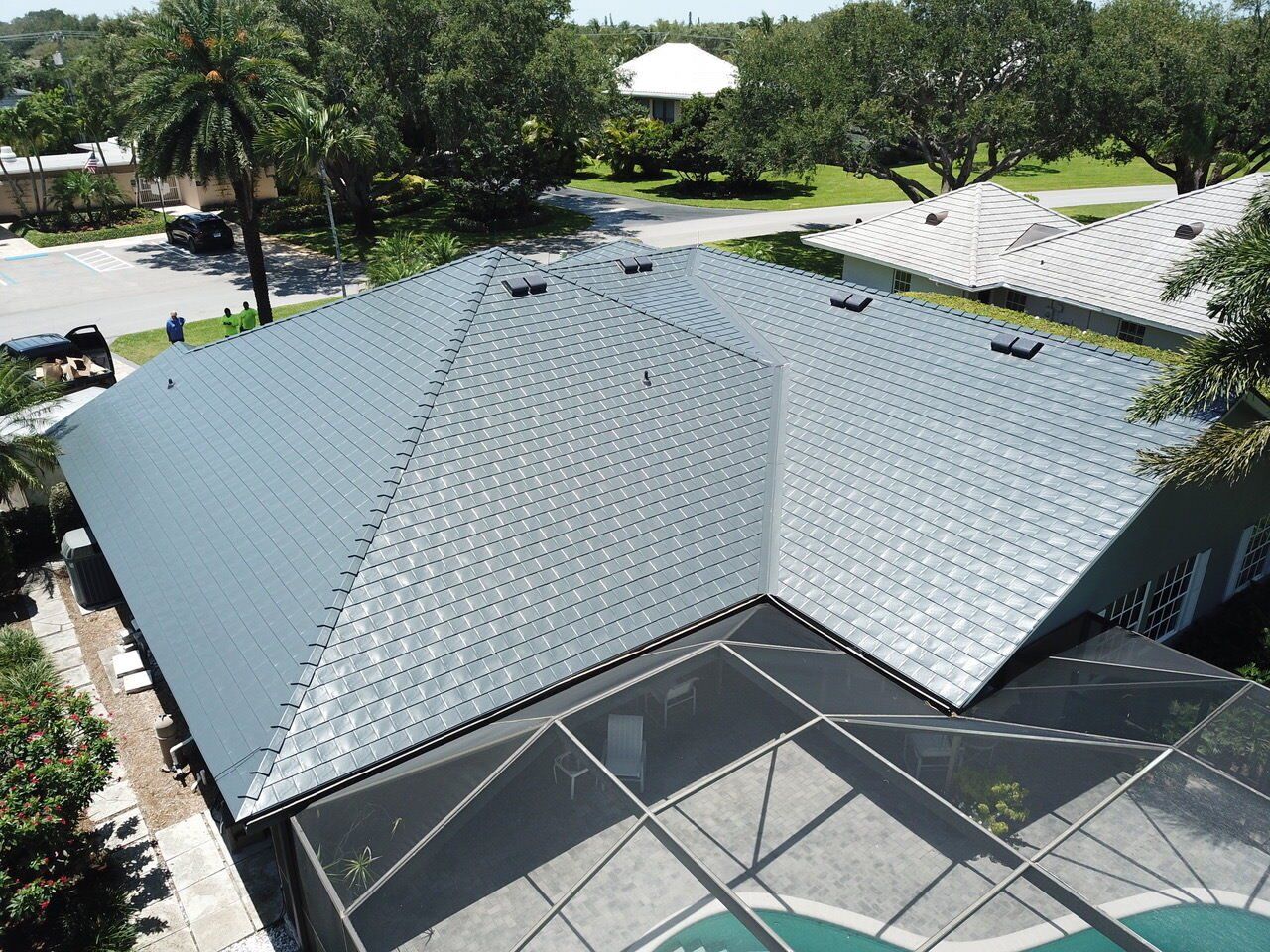
Profiles within ICC-ES ESR-1790: slate, cedar shingle, shake & tileThe look belongs to your home.
The performance belongs to the metal.
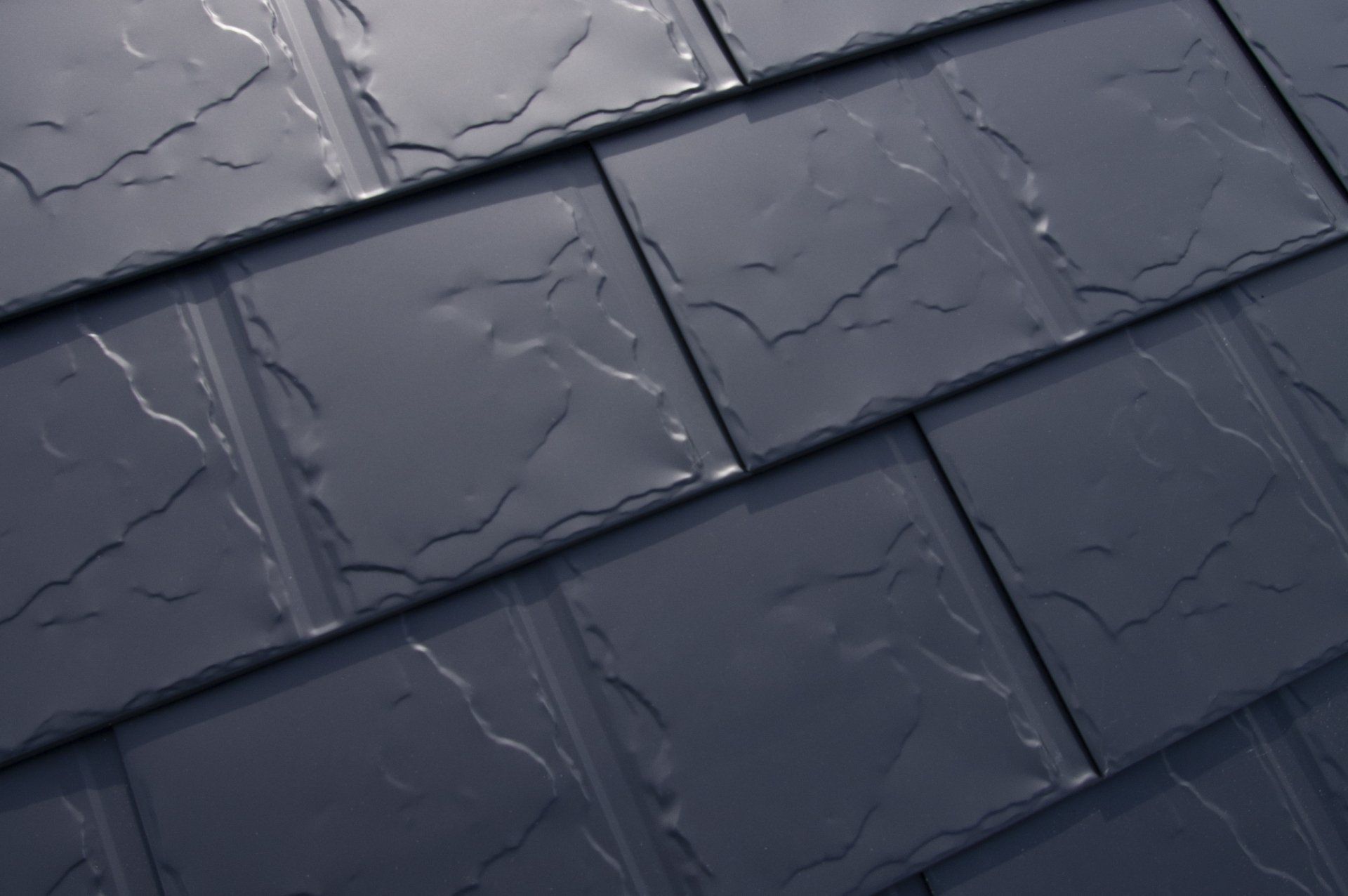
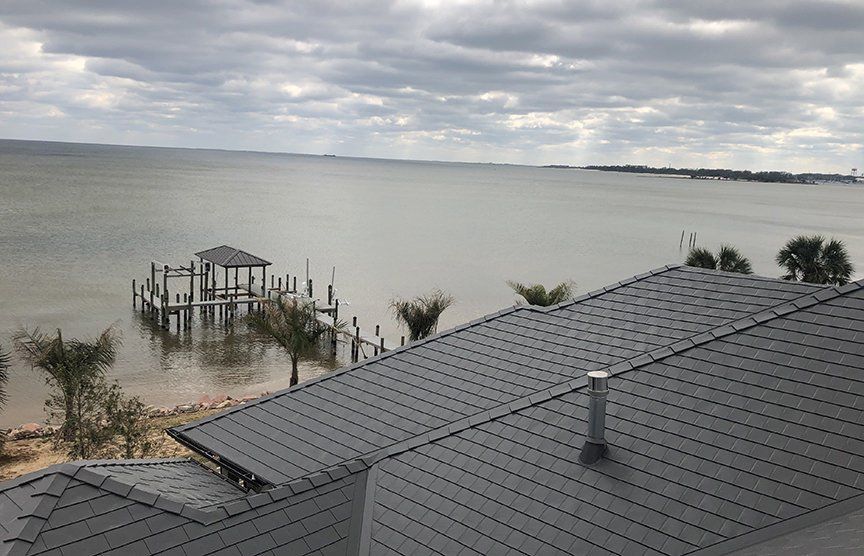
Slate
The formal character of quarried slate at a fraction of the weight, in aluminum that cannot rust and shrugs off Texas hail.
Cedar Shingle
Cedar character for a Hill Country or ranch-style house, with nothing for the sun to split, curl or re-stain.
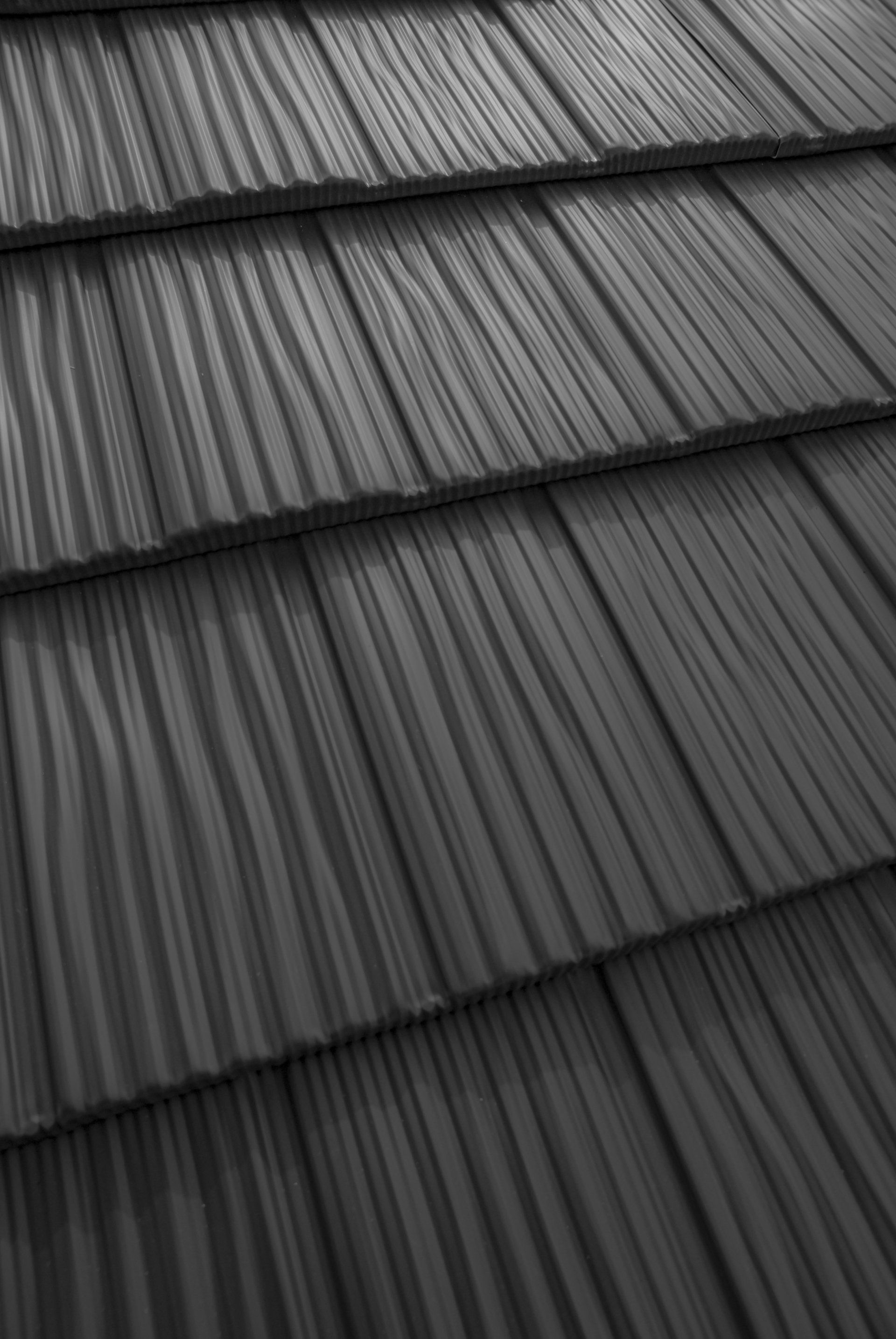
Shake
Deep shadow lines and hand-split texture, held down by the four-way interlock.
Mediterranean Tile
The barrel-tile silhouette for a Spanish or Mediterranean elevation at a fraction of the weight — no clay to crack in a hailstorm.
Designer colors across the profiles, all in the Alunar® coating system. Two honest limits: standing seam is outside the ICC-ES report and is not offered through this program, and every profile needs a minimum 3/12 roof slope. Full specifications are the manufacturer's to publish: interlockroofing.com ↗
All of Texas — from the Gulf to the Panhandle, the Valley to the Piney Woods.
Wherever you are in the state, call the line and a certified Interlock installer is assigned to your project. One honest wrinkle: in the fourteen first-tier coastal counties, windstorm coverage through TWIA runs under the Texas Department of Insurance's own product and installation rules, and the installer tells you what applies at your address before anything is signed.
The hail belt
Dallas–Fort Worth, Austin, San Antonio, Waco and the Hill Country — where Class 4 is the whole argument.
The Gulf Coast
Houston, Galveston, Corpus Christi, Beaumont and the Valley — where no iron to rust is the whole argument.
One line for the state
1-866-733-5811 — toll-free. West Texas, the Panhandle, East Texas: same line, same answer.
The six questions Texas homeowners ask first.
Who actually installs the roof?
Not us. Interlock Roofing of America manufactures and supplies the roof and certifies independent Texas roofing contractors on the system. A certified Interlock installer is assigned to your project; they pull the permit with your city where one is required and sign the contract with you. Certified means certified by the manufacturer — Texas issues no state roofing licence, so no one can show you one.
Which parts of Texas do you serve?
All of it — Houston, Dallas–Fort Worth, Austin, San Antonio, the Gulf Coast, the Rio Grande Valley, West Texas and the Panhandle. A certified Interlock installer is assigned to your project wherever you are. In the fourteen first-tier coastal counties, windstorm coverage through TWIA has its own product and installation rules, and the installer confirms what applies at your address before anything is signed.
Is this roof approved for Texas wind and hail?
Texas has no state product-approval regime. What your city's building department checks is the ICC-ES evaluation report: ESR-1790 covers the Slate, Cedar Shingle, Shake and Mediterranean Tile profiles for compliance with the International Residential and Building Codes, which Texas adopts, with tested wind uplift to 177.5 psf. Warranted wind resistance is 120 mph when installed to manufacturer specification; UL 2218 Class 4 is the highest impact rating there is. Windstorm insurance in the first-tier coastal counties runs through TWIA under the Texas Department of Insurance's rules — the installer tells you what applies at your address.
Will hail dent an aluminum roof?
North and Central Texas take more large hail than anywhere in the country, and this is the question to ask any roofer. UL 2218 Class 4 is the highest impact rating a roof covering can carry: a 2-inch steel ball dropped twice on the same spot with no crack in the panel. Very large hail can leave a cosmetic mark on any metal roof; the panel keeps its integrity and keeps shedding water, which is the difference from asphalt, where the same storm means granule loss, a claim and a replacement. The Guardian warranty covers hail to 1.5-inch stones. Any insurance credit for Class 4 is your carrier's decision.
Does a metal roof lower my cooling bill?
A reflective aluminum roof in a CRRC-rated color reflects more solar heat than a dark asphalt roof and sheds it quickly after sundown, which lowers attic temperatures through a cooling season that runs from April to October. How much that shows on the bill depends on your attic insulation and ventilation more than on the covering, and we will not quote a percentage. The Alunar® 70% PVDF finish is certified to AAMA 2605 with a 30-year finish warranty.
Can my HOA stop me putting on a metal roof?
Texas Property Code § 202.011 stops a property owners' association from prohibiting roofing that is designed to be wind- or hail-resistant or to save energy, provided it resembles the shingles used in the subdivision and is no less durable. The association can still regulate appearance, which is why the profiles above look like slate, shingle, shake or tile rather than a barn. And after a hailstorm, remember that Texas law (Business & Commerce Code § 27.02) prohibits a contractor from paying or waiving your insurance deductible — a roofer who offers to is telling you how they operate.
From the manufacturer to your roof: three steps, no surprises.
Tell us about your roof
A minute online or one phone call. The age of the roof, the current covering, the last hail claim, and what is prompting the change.
A certified installer is assigned
An independent Texas roofing contractor, certified by the manufacturer on this system, is assigned to your project. The installer visits, measures, and looks at the deck and the attic — because the fastening schedule, and what TWIA requires in a coastal county, both depend on what is actually up there.
The installer's proposal, in writing
A written contract with the installer's business name and insurance certificate on it, and the permit pulled with your city where one is required. The material and the Guardian Lifetime Limited Material Warranty come from the manufacturer; the workmanship agreement is between you and the installer.
The other path is the one Texas carriers are already pricing in: another asphalt roof baking through the summer, another hail claim, another tear-off after the next spring storm. One aluminum roof, bought from the manufacturer's program and installed by a certified contractor, ends the cycle. How the program works →
Let's plan your last roof.
Tell us about your roof, and the certified Interlock installer for your part of Texas takes it from there — a visit, a written proposal, and no pressure from anyone.
No-obligation request · A certified Interlock installer is assigned to your project · All of Texas